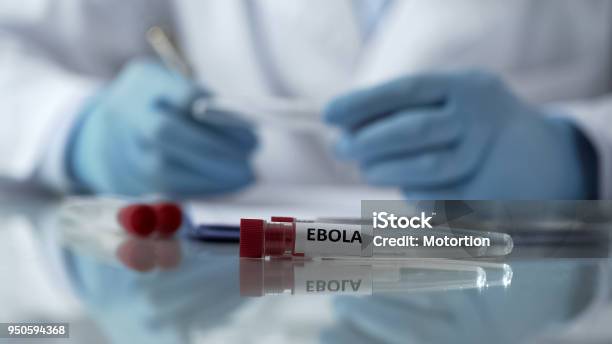
Uganda is currently grappling with a new cluster of Ebola cases, as reported by the Africa Centres for Disease Control and Prevention (Africa CDC) on March 6, 2025. This recent development includes three confirmed and two probable cases, spanning five districts. Since the outbreak's onset in January, the total number of cases has risen to 14, with two confirmed fatalities.
The outbreak was initially declared following the death of a male nurse in Kampala. Subsequently, a four-year-old child also succumbed to the virus. Notably, the new cluster does not have a direct epidemiological link to the initial group of nine cases, indicating possible new transmission chains.
The World Health Organization (WHO) has confirmed the increase in cases and is actively supporting Uganda's response efforts. This includes deploying experts, providing training in contact tracing, testing, patient care, and delivering essential medical supplies.
In response to the outbreak, the United Nations has launched an emergency appeal for $11.2 million to support Uganda's efforts in containing the virus and mitigating its socio-economic impact across seven high-risk districts.
Currently, there are no approved vaccines for the Sudan strain of the Ebola virus responsible for this outbreak. However, Uganda has initiated a trial vaccination program to assess potential candidates.
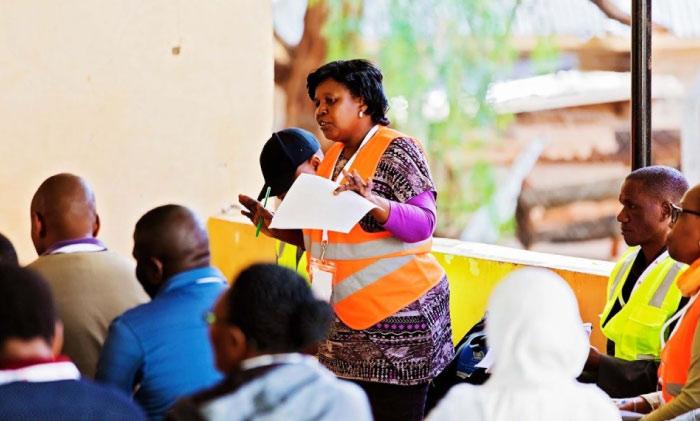
Efforts are being intensified to monitor and trace contacts, and communities are being engaged to enhance public awareness and encourage early reporting of symptoms. Despite these measures, challenges remain, particularly in surveillance and contact tracing, as evidenced by the recent cases without clear links to known contacts.
Uganda has a history of effectively managing Ebola outbreaks, including the 2022 outbreak that resulted in 55 deaths out of 143 infected individuals. The experience and systems built from past outbreaks are being leveraged to address the current situation.
In February Uganda had announced that all eight patients who had been hospitalized for treatment have been discharged after testing negative twice for the virus in tests conducted 72 hours apart. The World Health Organization (WHO) regional office for Africa confirmed the development, describing it as an important step in controlling the outbreak.
The patients had been receiving treatment in the capital city, Kampala, and in Mbale. Despite their discharge, health officials continued to monitor 216 to 265 individuals who remained in quarantine due to potential exposure. Uganda’s Health Minister, Jane Ruth Aceng Ocero, confirmed the recovery of the eight patients and urged communities to welcome them without stigma. If no new cases had been confirmed in the next 42 days, the outbreak could have been declared over.
Recent developments in Uganda's Ebola outbreak from the media:
The ebola outbreak poses a challenge for health workers in Uganda to contain
UN appeals for funds to help contain Uganda Ebola outbreak
About Ebola
Ebola: Transmission, Symptoms, Diagnosis, Treatment, Prevention and Control